Home Experts Explain How Water Leak Detectors Work and Who Should Buy One
A home improvement specialist and a plumbing company owner describe the two main types of leak detectors and what to weigh before buying.
By News Media House Staff ·
Smoke and carbon monoxide detectors are standard in most homes, but home experts say a third kind of device deserves a look: the water leak detector. Depending on the home and where it is located, the devices can help track water pressure and temperature and give early warning of frozen pipes in winter, which can be an inconvenience and a costly one if the pipes burst.
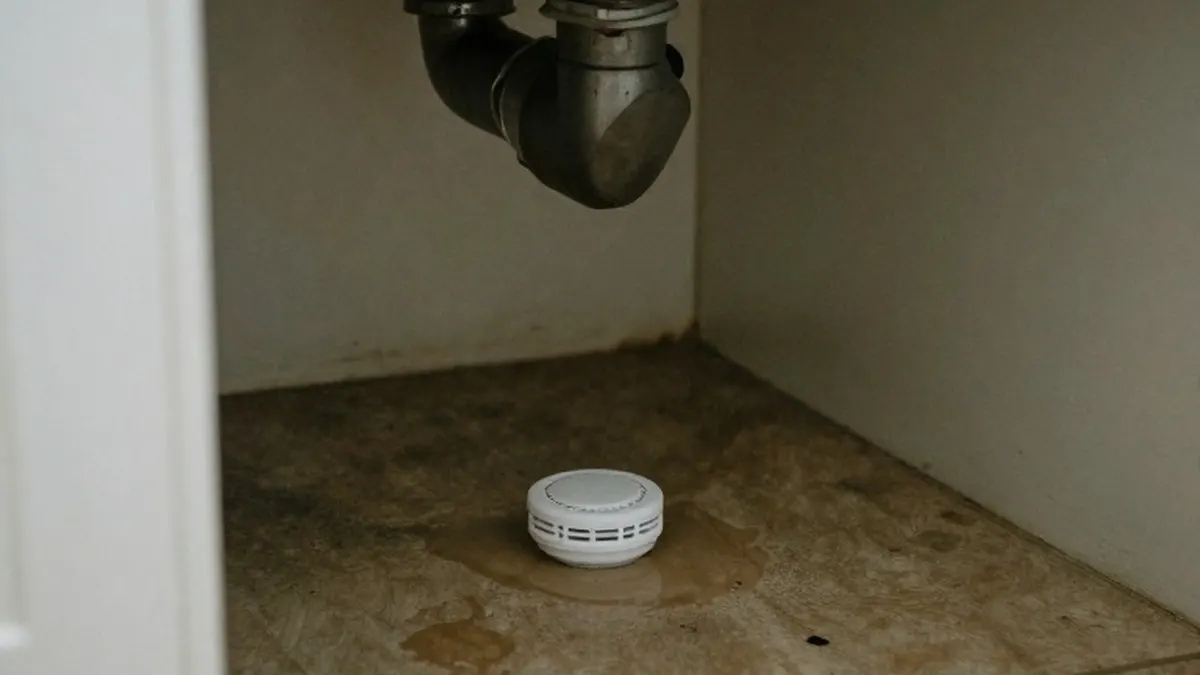
Lou Manfredini, a home expert at Ace Hardware, says the category covers several kinds of products. In general, he explains, they sense when water is present and then sound an alarm or send a notification to a phone or computer. Basic units are placed where leaks are a concern, such as under a sink, beneath a water heater or in a basement.
Some systems also watch for what looks like excessive water use, which can point to a burst pipe or a running toilet. Manfredini notes that detectors are sometimes called leak sensors, though the two are technically different types of device.
According to Chris Petri, owner of Petri Plumbing, Heating, Cooling & Drain Cleaning, most products fall into one of two groups. Point-of-use detectors sense water directly. They are usually circular or oblong, stick to a flat surface under a water source, and trigger an alarm when droplets or pooling water reach them. Some versions use a power cable laid on the floor that detects pooling or submersion. Manfredini says these can be used in homes or commercial settings.
In-line detectors work differently. Petri says they are installed directly into the water main and use an internal turbine to measure flow. The device learns a household's normal usage patterns, including flow rate, duration and volume. If it spots a change, it sends an alert, and some models can shut off the water automatically to prevent flooding or frozen pipes. Some also monitor temperature. Because they track flow, they do not need to touch water before warning the owner. The Moen Flo Smart Water Leak Detection Alarm is an example of this type.
Petri argues that every home can benefit from proactive detection. "Waiting until a leak is visually noticeable often means damage has already occurred," he says, adding that leaks frequently happen in hidden areas or while residents are away.
For shoppers, he points to several features worth weighing: automatic shutoff, smart notifications such as app alerts, placement requirements, and whether the home needs whole-home coverage with an in-line unit or protection for specific areas with point-of-use sensors.
Product details vary by brand. Some Wi-Fi-connected sensor kits send alerts by app, email or text, and some in-line models attach to pipes of different materials. Others, like Moen's, recommend professional installation even when homeowners can technically do it themselves. NBC Selected, the outlet's shopping team, said its consultation with Manfredini was independent of any Ace Hardware products mentioned.
Originally published by News Media House · Source: NBC News
More News · National news · Report a business · Got a Story?