
Fed Holds Rates Steady as Inflation Climbs to 3.7%
The Federal Reserve kept its benchmark rate unchanged on Wednesday, but two dissents and a firm statement on inflation point toward a possible hike in December.
By News Media House Staff ·
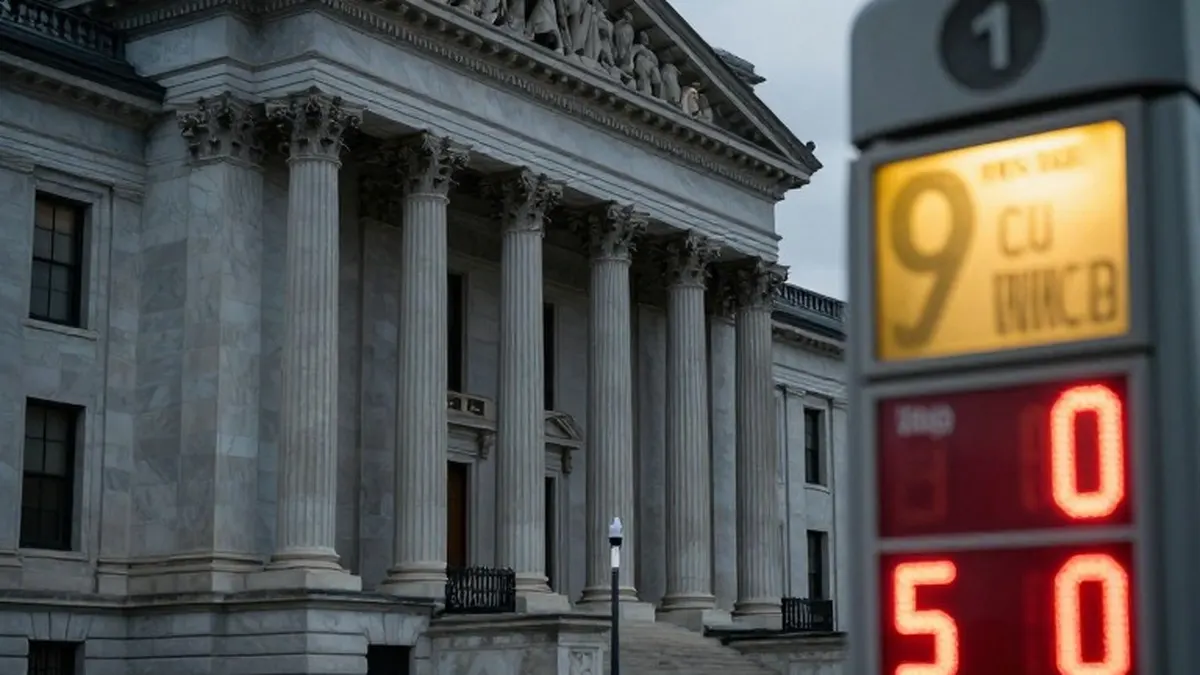
The Federal Reserve voted Wednesday to leave interest rates where they are, making its last monetary policy decision before the midterm elections. The move came even as inflation accelerated from an annual rate of 3.4% in August to 3.7% in September.
A large share of that increase comes from the rising cost of gasoline, diesel and crude oil. Consumers have felt the strain, and many economists say the effects of higher fuel prices are now spreading into other parts of the economy.
In its post-decision statement, the Fed acknowledged the pressure but said it wants more data before deciding on a rate increase. "Inflation remains elevated," the statement said. "The accumulation of more information will help the Committee determine the policy stance appropriate to ensure a timely return of inflation to the Committee's 2 percent goal."
The Fed's preferred inflation gauge, the personal consumption expenditures price index, is due out Thursday and is expected to reach 3.7%. Economists at Morgan Stanley said the situation suggests the Fed may not be finished tightening, a term that refers to raising rates, and that future hikes will hinge on incoming data.
The vote was not unanimous. In September, the committee voted 12-0 to raise rates, the first increase since 2023. This time, governor Lisa Cook and Cleveland Fed President Beth Hammack dissented in favor of a hike. It was the first dissent of Cook's career. President Donald Trump is attempting to fire Cook.
Fed Chairman Kevin Warsh also announced that the central bank will cut the number of meetings at which it votes on rates from eight to seven next year, and by two in 2028. He said the major schedule change would improve the "quality" of its decisions.
At a news conference, Warsh offered a mixed assessment. "Real activity is clearly pointing in the right direction," he said. "That's good news, but inflation is too high." He added that the Fed's job is to make sure that "relative price changes in some sectors do not broaden out across the economy." The committee described economic activity as expanding at a strong pace and domestic spending as resilient, while noting that uncertainty remains elevated in part because of geopolitical developments.
Politics hovered over the decision. Voters have consistently told pollsters that rising prices, especially for housing and energy, are their chief concerns. The latest NBC News poll put Trump's approval at 27% on the cost of living and 29% on the Iran war. Two-thirds of Americans called soaring gas prices, triggered by the war, a very or somewhat serious problem, and more than half said economic conditions had changed the groceries they buy.
Warsh said the midterms and politics "played no role in the decision." Asked about Trump's recent claims that members of the Fed's board and rate-setting committee were hostile to the president, he defended his colleagues. "We just came out of a heck of a family fight, serious, sober discussion," he said, adding that he believed the committee reached the right decision for this moment.
With inflation well above the Fed's goal, Wednesday's announcement sets the stage for a possible rate increase at the December meeting.
Originally published by News Media House · Source: NBC News
More News · National news · Report a business · Got a Story?