Ten European Nations Join France's Nuclear Deterrence Pact
Paris is linking allies to new infrastructure and fighter jet deployments to counter Russian threats amid fading US confidence.
By Oscar Fuentes ·
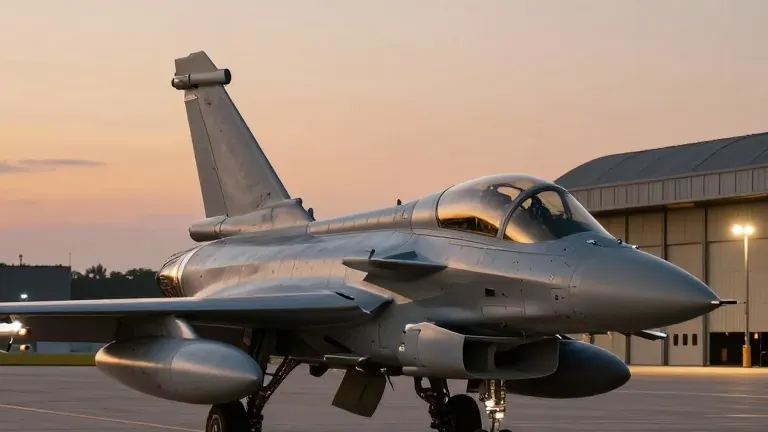
Ten European countries have joined France in a coordinated nuclear deterrence effort aimed at countering Russian aggression, according to a report by the Wall Street Journal published on Monday. The initiative, known as forward deterrence, seeks to reinforce Paris's role as a nuclear power on the continent. It comes at a time when European confidence in the United States' commitment to regional security is waning.
The plan involves building new infrastructure, communications, and early-warning systems that connect France with its partners. It also includes deploying French Rafale fighter jets capable of carrying nuclear weapons across Europe. The United Kingdom, Germany, Poland, the Netherlands, Belgium, Finland, Norway, Sweden, and Denmark have all participated in the project to varying degrees since French President Emmanuel Macron first announced it in March.
Finnish President Alexander Stubb outlined the specific role his country expects to play. He stated that Finland has no plans to host nuclear weapons on its soil in peacetime but aims to create a strategic dilemma for Russia. Stubb described the arrangement as a ten to fifteen year process, noting that Finland values access to information and involvement in the strategy.
France has handled the negotiations through one-on-one talks with each partner rather than group meetings. Senior defense officials told the WSJ that this approach has prompted European nations to maintain constant contact with one another to compare what Paris has shared with each of them. This bilateral strategy allows France to tailor agreements to specific national concerns while keeping the broader network cohesive.
The push is driven by growing European doubts about American reliability. Questions regarding whether Washington would risk nuclear war to defend a European ally have intensified as US President Donald Trump pursues energy deals with Russian President Vladimir Putin and increases pressure on Ukraine. French officials argue their deterrent carries more credibility because Europe's security matters directly to Paris.
Macron's adviser Chatel explained the geographic tie at the Warsaw Security Conference, stating that France shares the same geography and economic continuity with its neighbors unlike the United States. Macron himself asked in his March launch speech if the survival of closest partners could be at risk without affecting France's vital interests. Norwegian Foreign Minister Espen Barth Eide clarified that the plan supplements existing US nuclear guarantees rather than replacing them.
France has also announced it will resume producing nuclear devices for the first time in decades and will make the size of its stockpile confidential. The nuclear force will remain entirely under French control. One European government minister said the arrangement allows for as much participation as the Americans provide. This structure was chosen to make the strategy acceptable across France's political spectrum, including to Marine Le Pen's far-right party, which is polling ahead in the presidential race before next spring's elections.
Source: The Jerusalem Post